
Who Pays for Repairs in a BC Rental? A Guide for Tenants and Landlords
Who pays for repairs in a BC rental? Learn when landlords or tenants are responsible, how to document damage, and what to do when repairs are urgent. Read the guide.
September 28, 2026
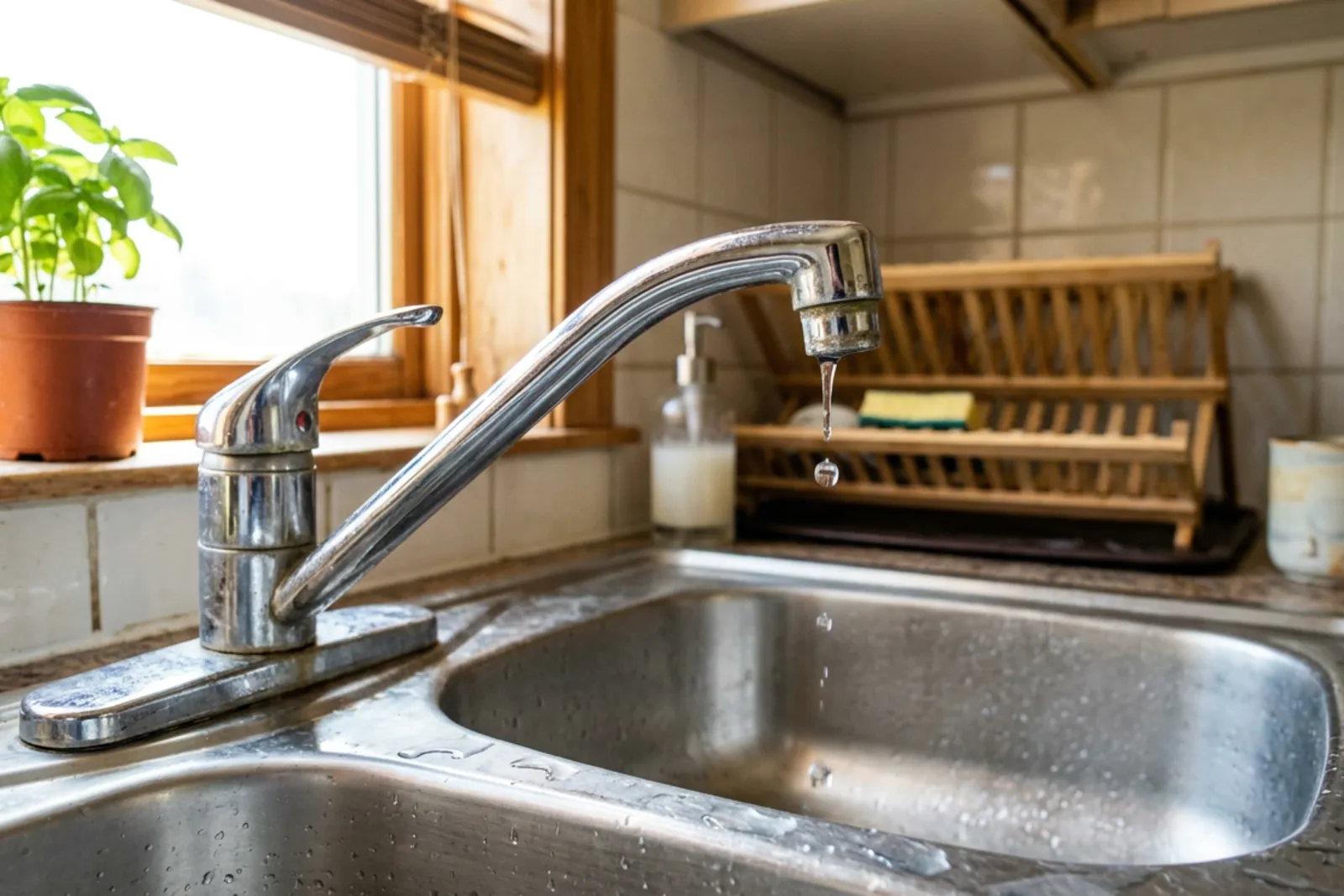
A dripping tap, a worn carpet, a broken lock: each calls for a different response. Some repairs are the landlord’s responsibility. Others fall to the tenant. A few need attention before anyone has time to settle a disagreement about the bill.
In British Columbia, the general rule is that landlords maintain rental properties in a state that meets health, safety, and housing standards. Tenants keep their homes reasonably clean and pay for damage caused by themselves, their pets, or their guests. The tricky part is deciding whether a problem is ordinary wear, tenant-caused damage, a routine repair, or an emergency.
Here is how to approach that decision, what to do when something breaks, and how to keep a repair dispute from becoming a bigger problem.
Start with the cause, not just the broken item
Landlords are responsible for most repairs to a rental unit. That includes major systems such as heating and plumbing, repairs needed because of normal wear and tear, and maintenance of shared areas under their control. They must also maintain basic features that make a home safe and usable, including hot water, electricity, working locks, and fire safety systems.
Tenants handle everyday upkeep, such as changing light bulbs and keeping the unit reasonably clean. They are also responsible for damage they, their pets, or their guests cause. If a guest breaks a window, for example, the tenant may have to pay for the repair. If an older window no longer closes because its hardware has worn out, that is generally a landlord repair.
Cause matters more than appearance. A carpet can look bad because it has reached the end of its useful life, or because it was damaged during the tenancy. Those are different situations. Move-in and move-out condition inspections help both parties establish what changed. Photos, written inspection reports, and dated messages are especially useful when memories differ months later.
A landlord cannot keep a security deposit simply because paint has faded or flooring has worn through ordinary use. Conversely, a tenant should not assume every damaged item counts as wear and tear. The age of the item, the nature of the damage, and the condition recorded at move-in all matter.
For routine repairs, make a written request
If a repair is not an emergency, the tenant should tell the landlord about it in writing. An email, letter, or text message can create a record of when the problem was reported. Describe what is wrong, where it is, and how it affects use of the home. Photos can help.
“Kitchen sink leaking beneath the cabinet since Tuesday; water collects on the cabinet floor when the tap runs” gives a landlord more to work with than “plumbing issue.” It also makes it easier to judge whether the response was timely.
Landlords should arrange repairs within a reasonable time. There is no single deadline that fits every situation. A failed refrigerator and a loose cabinet handle do not call for the same speed. The seriousness of the problem, the risk of further damage, and the practical steps needed to fix it all affect what is reasonable. If a dispute reaches the Residential Tenancy Branch (RTB), an arbitrator can decide whether the landlord responded appropriately.
Tenants should keep copies of requests and follow-up messages. If the landlord does not act, the tenant can apply for dispute resolution and ask for an order requiring repairs. Depending on the circumstances, they may also seek compensation for losses or a reduction in rent when the problem has limited their use of the property.
Routine repairs are not a reason for a tenant to hire someone and send the landlord a bill without agreement. If a tenant wants to arrange a non-emergency repair and charge the landlord, they need the landlord’s written agreement first.
What counts as an emergency repair?
BC uses a narrower definition of emergency repair than everyday conversation does. A repair must be urgent, necessary for the health or safety of people or property, and related to a qualifying problem. Qualifying problems include major leaks; damaged or blocked water or sewer pipes; failure of the primary heating system; defective locks that allow unauthorized access; and electrical systems.
All three conditions matter. An unpleasant or inconvenient problem may need prompt attention without meeting the legal test for an emergency repair.
When a qualifying problem occurs, the tenant should immediately contact the landlord or the emergency contact the landlord has provided. If that person cannot be reached, the tenant must make at least two phone attempts to the provided emergency number and allow a reasonable amount of time for a response before arranging the repair.
At that point, the tenant may arrange a repair at a reasonable cost. The aim is to deal with the urgent problem, not to approve unrelated work. Keep the phone records, messages, receipts, and a written account of what happened. When requesting reimbursement, give the landlord the receipts and written summary.
If the landlord becomes available, they can take over the repair and pay for work already done, or let the work continue and reimburse its reasonable cost. If reimbursement is not provided after a proper request, the tenant may be able to deduct the eligible amount from rent, with written notice explaining the deduction. That step deserves care. If the landlord disputes whether the work qualified as an emergency repair or whether the cost was reasonable, they can seek a monetary order or serve a notice to end the tenancy for unpaid rent.
A tenant who cannot afford to arrange repairs can apply for an RTB repair order instead. Urgent safety or security issues may qualify for an expedited hearing; the RTB prioritizes emergency repair matters when scheduling hearings. Tenants should check the applicable process rather than assume every repair dispute is eligible for expedited treatment.
Landlords must give tenants an emergency contact name and phone number in writing or post them in a visible common area. That information is much more useful when tenants have it before a pipe bursts.
Water damage: act before the full cause is known
Water can turn a manageable repair into a much larger one. A tenant who spots a leak or water damage should report it immediately, even if the source is unclear. Where safe and practical, they can move belongings out of the wet area and take simple steps to contain the water. A landlord should arrange prompt investigation and repairs, including appropriate drying, to reduce the risk of mold and further damage.
Neither side needs to wait for a final decision about who pays before taking reasonable steps to prevent more loss. If a roof leaks, a tenant might move and dry belongings and place a bucket under the drip. The landlord might arrange a temporary cover while waiting for a roofer, then make sure affected areas are dried. These actions are part of both parties’ duty to minimize loss.
That duty does not transfer the landlord’s repair obligations to the tenant. It means each person should do what is reasonable in the circumstances to stop an avoidable problem from getting worse.
When a repair becomes a dispute
It is usually better to make a needed repair promptly and settle a disagreement over payment afterward. A damaged door lock, for instance, should not remain insecure while landlord and tenant debate how it broke. If they cannot agree, they can bring their evidence to dispute resolution.
Before applying to the RTB, a tenant should contact the landlord directly, put the request in writing, and document both the problem and the response. Tenant support organizations can help explain the available options. If the issue remains unresolved, a tenant can seek an order for repairs affecting health, safety, or reasonable use of the unit.
The distinction between a needed repair and a preferred improvement can be important. A hole in a carpet that creates a tripping hazard may call for repair. A stained but usable carpet may not justify an order to replace it simply because a new one would look better.
An arbitrator can also consider whether completed work actually solved the problem. A patched ceiling, for example, may not be an adequate fix if the leak above it continues. Depending on the facts, available remedies can include an order to comply with repair duties, compensation, or a rent reduction.
When deciding responsibility for a damaged building element, arbitrators may consider its age and expected useful life. An older carpet near the end of its useful life is not valued the same way as a newly installed one. The RTB’s Policy Guideline 40 provides useful-life figures for common building elements; Policy Guideline 1 addresses responsibility for residential premises, and Policy Guideline 5 explains the duty to minimize loss. Past RTB decisions can also be informative, though each dispute depends on its own evidence.
What tenants should maintain
A tenant’s basic upkeep includes taking out garbage, compost, and recycling; keeping carpets reasonably clean; changing light bulbs; and cleaning small amounts of mold on surfaces such as windowsills, tubs, and showers. A tenant should also keep the area around their unit reasonably clean and report maintenance problems before they grow.
Where a tenant has exclusive use of a yard, routine tasks such as mowing and snow shoveling are generally their responsibility. Tenants should also report damage caused by occupants, guests, or pets promptly. Delaying a report can make a repair more expensive and complicate a later disagreement about costs.
At the end of a tenancy, cleaning obligations still apply. BC guidance generally calls for carpets to be steam cleaned or shampooed if the tenancy lasted a year or longer. Tenants should clean wall marks and address holes that require repair, while remembering that ordinary wear and tear is not the same as damage. The move-in condition report is a useful reference when assessing the unit at move-out.
What landlords should maintain
A landlord must maintain a rental unit in a condition that meets applicable health, safety, and housing standards, including relevant municipal maintenance bylaws. Heating, hot water, electricity, locks, walls, floors, ceilings, and fire safety systems all deserve attention when they need repair.
Landlords are also responsible for maintaining appliances and services included in the tenancy agreement, such as a supplied refrigerator, storage space, parking, or a security system. In a multi-unit building owned by the landlord, shared locks and access devices, intercoms, elevators, lighting, and common-area maintenance generally fall to the landlord.
Pest control needs a closer look at the circumstances. Landlords are generally responsible for addressing insect infestations such as bedbugs. For other pests, including rodents, municipal bylaws and the cause of the problem may affect responsibility. Tenants should report sightings promptly and cooperate with reasonable treatment instructions.
A strata building adds another layer. The strata corporation may be responsible for certain building components, but a landlord who rents out a strata unit still needs to communicate with the tenant and understand how strata repairs are reported. Tenants should know whom to contact, what the landlord will coordinate, and why a repair involving the strata may take time.
Renovations require care, too. Even when work is necessary, landlords must consider a tenant’s right to quiet enjoyment while planning and carrying it out. Clear notice, realistic timelines, and practical efforts to limit disruption can prevent avoidable conflict.
Good communication is part of good maintenance
A simple written repair process helps both sides. Landlords can tell tenants where to send routine requests, whom to call in an emergency, what details to include, and how strata-related repairs are handled. Instructions for unfamiliar appliances, fixtures, or recommended bulb types can also prevent accidental damage.
Tenants, in turn, can describe problems clearly, report them early, make access arrangements when needed, and keep records. If a disagreement persists, the RTB provides information and dispute resolution services for both landlords and tenants.
Most repair questions do not begin with an argument. They begin with something that stopped working. Document the condition, address immediate risks, and communicate in writing. Those habits make it easier to fix the problem and, if necessary, decide fairly who should pay.
Thinking about your next move?
Let's talk it through, no pressure, no obligation.
Book a Consultation